
Evidence-Based Training for a Stronger, Healthier Body
Achieve lasting results with Evidence-Based Training, personalized nutrition, and recovery strategies from Hirbod Choobak, fitness & nutrition expert.
Hirbod Choobak
5/8/20243 min read
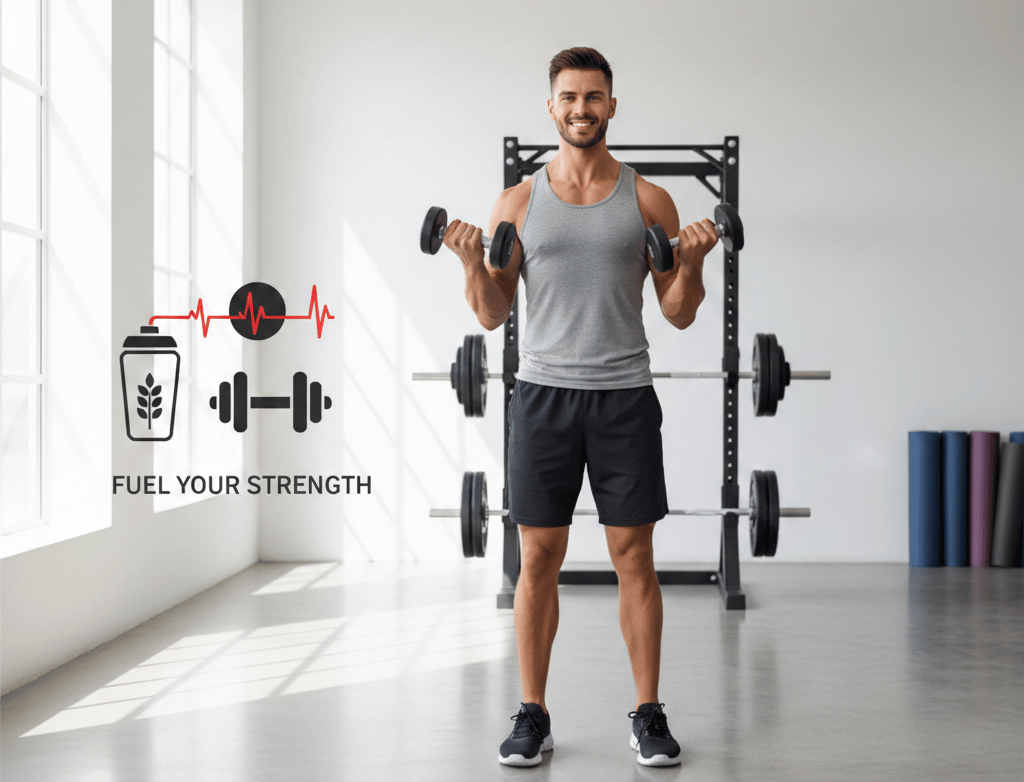

The Smart Guide to Building a Stronger, Healthier Body – Advanced Guide
Building a stronger, healthier body is not about following trends, doing endless workouts, or starving yourself. Real, sustainable transformation comes from evidence-based strategies, consistent habits, and a deep understanding of your body. With 23 years of experience in sports nutrition and exercise physiology, I’ve helped countless clients achieve their goals efficiently and safely. This guide lays out a step-by-step approach to improve strength, health, and lifestyle.
1. Start With a Solid Foundation
Before worrying about heavy lifts or extreme diets, focus on building a strong foundation:
Mindset & Consistency: Set realistic goals and commit to a daily routine. Progress compounds over time.
Sleep & Recovery: 7–9 hours of quality sleep per night supports hormone regulation, muscle repair, and mental clarity.
Movement & Posture: Daily activity, stretching, and postural awareness prevent injuries and improve functional strength.
Without a solid foundation, even the best training programs fail to deliver long-term results.
2. Smart Strength Training for Maximum Results
Strength training is the fastest way to build a lean, functional, and resilient body. Here’s how to approach it intelligently:
Compound Movements First: Squats, deadlifts, presses, pull-ups, and rows activate multiple muscle groups and boost metabolism.
Progressive Overload: Gradually increasing weight or reps ensures continuous improvement.
Proper Form: Avoid injuries by prioritizing technique over heavy lifting.
Recovery Between Sessions: Muscles grow during rest, not during training, so plan rest days and alternate muscle groups.
Remember: Training smart is more effective than training excessively.
3. Nutrition: Fuel Your Body
You can’t outtrain a poor diet. Nutrition is the engine behind all progress. A science-backed approach includes:
Balanced Macronutrients: Protein for muscle repair, carbohydrates for energy, and healthy fats for hormonal balance.
Whole Foods: Vegetables, fruits, whole grains, lean proteins, and quality fats.
Hydration: Water supports digestion, performance, and recovery.
Calorie Management: Adjust calories based on your goals — fat loss, muscle gain, or maintenance.
Avoid extreme diets. The goal is sustainable nutrition that integrates with your lifestyle.
4. Recovery: The Hidden Key to Growth
Recovery is often overlooked but is where true progress happens. Focus on:
Sleep Quality: 7–9 hours nightly for hormone balance and cognitive performance.
Active Recovery: Light cardio, mobility exercises, or yoga on rest days.
Stress Management: Meditation, journaling, or breathing techniques improve recovery efficiency.
Stretching & Mobility: Maintain joint health and prevent postural issues.
A body that recovers well grows stronger, faster, and is less prone to injury.
5. Lifestyle Habits That Make a Difference
Fitness is not just about workouts or diet—it’s about lifestyle. Key habits include:
Consistency Over Perfection: Daily small improvements beat occasional extreme efforts.
Movement Throughout the Day: Stand, walk, and stretch regularly to counter sedentary behavior.
Mindful Eating: Pay attention to hunger cues, portion sizes, and quality of food.
Tracking Progress: Keep a journal for workouts, meals, sleep, and mood to identify patterns and optimize results.
Integrating these habits turns your fitness plan into a sustainable lifestyle.
6. Personalization: One Size Does Not Fit All
Each body, goal, and lifestyle is unique. Programs must be tailored to:
Goals: Fat loss, muscle gain, endurance, or overall health.
Fitness Level: Beginner, intermediate, or advanced.
Schedule & Lifestyle: Time availability, work commitments, and family life.
Past Injuries or Limitations: Adjust exercises to prevent aggravating old injuries.
Metabolism & Body Type: Individual differences influence nutrition and training intensity.
Personalized programs save time, prevent frustration, and maximize results.
7. Integrating Fitness, Nutrition & Lifestyle
True transformation happens when training, nutrition, and lifestyle work together:
Plan strength training and cardio sessions based on recovery and goals.
Fuel the body with balanced meals, timed for workouts and recovery.
Prioritize sleep, stress management, and movement outside the gym.
Regularly assess progress and adjust programs dynamically.
This integrated approach ensures steady, sustainable, and measurable results.
8. Avoid Common Pitfalls
Skipping warm-ups or cool-downs → injury risk.
Overtraining or ignoring recovery → stagnation.
Following one-size-fits-all plans → wasted effort.
Ignoring nutrition → poor energy and suboptimal results.
Expecting instant results → frustration.
Focus on habits, not shortcuts.
Conclusion
A stronger, healthier body is built on smart decisions, not extreme measures. By combining evidence-based training, science-backed nutrition, adequate recovery, and personalized coaching, you can achieve sustainable results that last a lifetime.
Take the first step today — reach out to design a program tailored specifically for you.


Stay fit.